
Assessment of Genetic Diversity in Wild Wheat to Enhance Drought Tolerance and Improve the Nutritional Quality of Future Wheat Cultivars - Razi University


Conducted by Researchers at Razi University
Assessment of Genetic Diversity in Wild Wheat to Enhance Drought Tolerance and Improve the Nutritional Quality of Future Wheat Cultivars
Assessment of Genetic Diversity in Wild Wheat to Enhance Drought Tolerance and Improve the Nutritional Quality of Future Wheat Cultivars
Conducted by Researchers at Razi University
Assessment of Genetic Diversity in Wild Wheat to Enhance Drought Tolerance and Improve the Nutritional Quality of Future Wheat Cultivars
Researchers at Razi University have successfully assessed the genetic diversity of wild wheat with the aim of enhancing drought tolerance and improving the nutritional quality of future wheat varieties.
In a comprehensive field study, the researchers investigated the capacity of wild wheat to tolerate drought stress and to enhance the nutritional quality of wheat products, findings that could play a significant role in strengthening food security and developing drought-resilient wheat varieties at national and global levels.
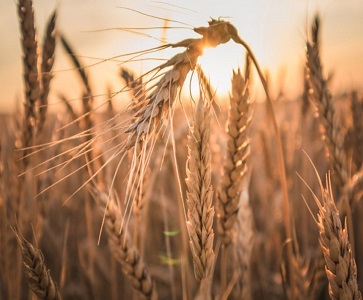
The study, entitled “Agronomic Performance of Wild Emmer Wheat Germplasm (Triticum turgidum ssp. dicoccoides) Grown under Irrigated and Rainfed Conditions,” was conducted by Behnaz Aghayani, PhD candidate in Plant Genetics and Breeding, along with Dr. Leila Zarei (corresponding author), Dr. Kianoosh Cheghamirza, and Dr. Sohbat Bahraminejad from the Department of Agronomy and Plant Breeding, Faculty of Agriculture, Razi University, in collaboration with researchers from Italy and Turkey. The work has been published in BMC Plant Biology (Springer Nature).
In this research, 105 genotypes of wild emmer wheat were cultivated and evaluated over two consecutive growing seasons (2021–2023) under both irrigated and rainfed conditions. Key agronomic and nutritional traits – including plant height, number of grains per spike, thousand-grain weight, protein content, iron and zinc concentrations, and developmental growth stages – were systematically assessed.
The results revealed substantial genetic variation among genotypes across different environmental conditions. Several accessions exhibited superior performance in terms of grain yield, drought tolerance, and nutritional quality. Statistical analyses indicated significant effects of genotype and environment, as well as notable genotype × environment interactions for many important agronomic traits.
Among the evaluated accessions, genotypes 68 (DIC291) and 70 (DIC316) showed the highest performance under irrigated conditions, while genotype 56 (DIC256) achieved the highest grain yield under rainfed conditions. These accessions were identified as valuable genetic resources for breeding programs aimed at developing drought-tolerant wheat varieties.
Furthermore, the study demonstrated significant positive correlations between spike length and grain number per spike, as well as between grain iron and zinc contents, highlighting the potential of these genotypes for improving the nutritional value of wheat.
According to Dr. Zarei, “Wild emmer wheat represents a valuable genetic reservoir that can help us develop wheat cultivars adapted to future hot and dry climates – cultivars that are not only higher yielding and more drought tolerant, but also nutritionally superior.”
Overall, this study underscores the importance of exploiting native and wild genetic resources to enhance the sustainability of food production, improve crop quality, and develop crop varieties resilient to climate change.
شناسه : 35511553