
Signing of a Memorandum of Understanding between Razi University’s Faculty of Social Sciences, Economics, and Accounting and the Faculty of Management and Economics, University of Wasit, Iraq - Razi University


Signing of a Memorandum of Understanding between Razi University’s Faculty of Social Sciences, Economics, and Accounting and the Faculty of Management and Economics, University of Wasit, Iraq
Signing of a Memorandum of Understanding between Razi University’s Faculty of Social Sciences, Economics, and Accounting and the Faculty of Management and Economics, University of Wasit, Iraq
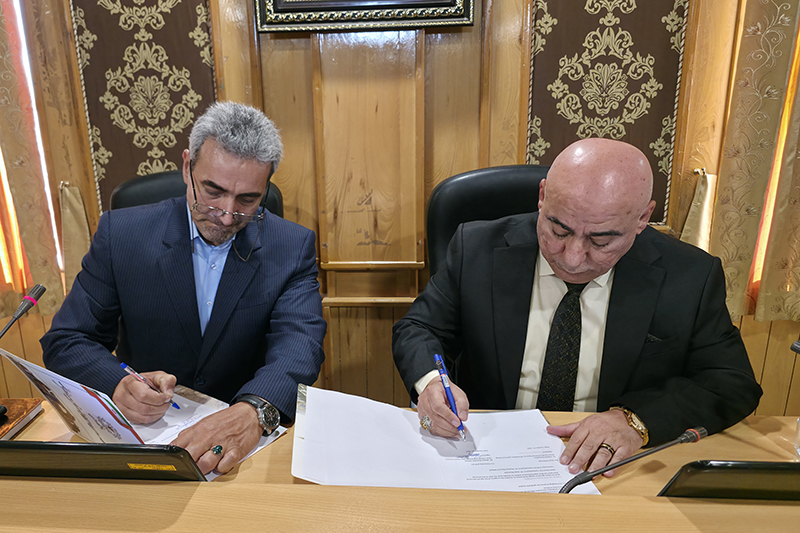
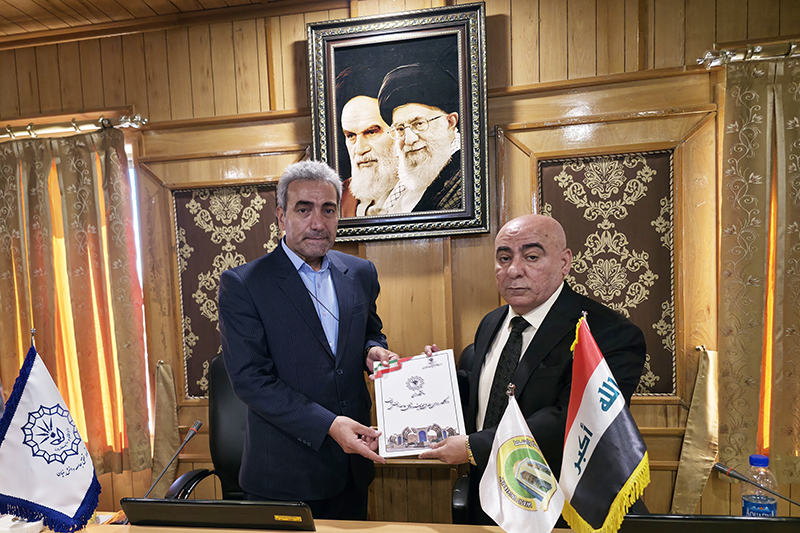
The Faculty of Social Sciences, Economics, and Accounting at Razi University and the Faculty of Management and Economics at the University of Wasit, Iraq, signed a memorandum of understanding (MoU) covering 11 strategic areas of cooperation.
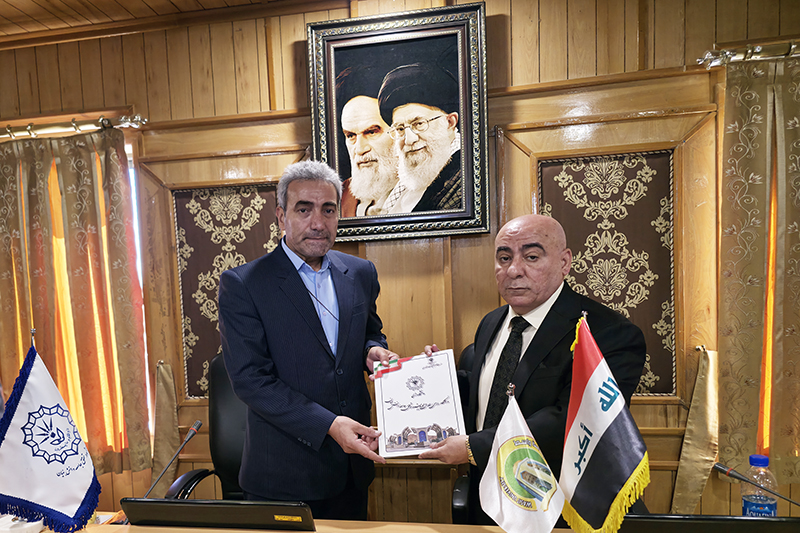
According to Razi University’s public relations office, in line with expanding academic, educational, and research collaborations between the Islamic Republic of Iran and the Republic of Iraq, the board of the Faculty of Management and Economics of the University of Wasit visited Razi University on Tuesday, November 5, 1404 (October 26, 2025), as part of an academic trip to Kermanshah. The delegation held a joint meeting with the university’s officials.
The meeting, aimed at strengthening academic relations, exchanging scientific experiences, and exploring areas of mutual collaboration between the two universities, was held at Razi University's President’s office and was attended by faculty members and administrators from Razi University’s Faculty of Social Sciences, Economics, and Accounting and the Faculty of Management and Economics, University of Wasit.
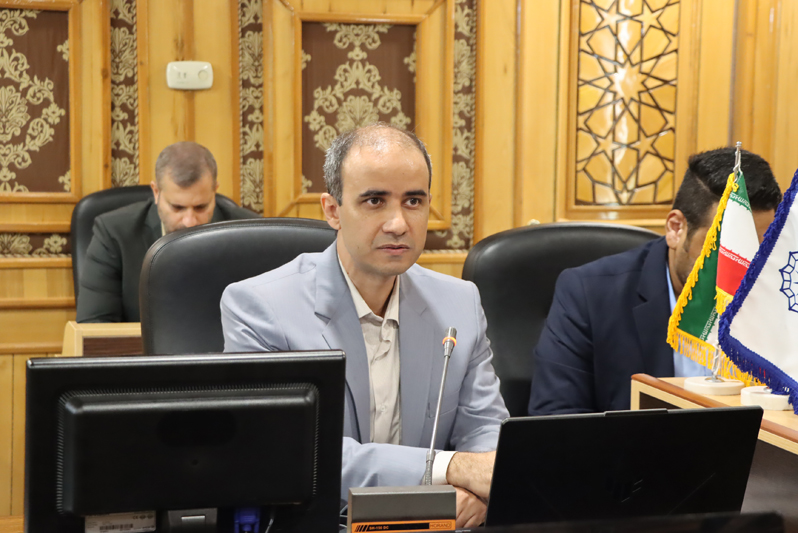
At the beginning of the meeting, Dr. Shahab Moradkhani, Director of Razi University’s International Scientific Cooperation Office, welcomed the Iraqi delegation and elaborated on the objectives and plans for the trip. He expressed hope that these meetings would lead to the signing of MoUs that would enhance the academic standing of both universities and strengthen their scientific and educational ties. He also emphasized the importance of focusing on shared concerns and achieving tangible and impactful results.
Dr. Farhad Daneshnia, Dean of the Faculty of Social Sciences, Economics, and Accounting at Razi University, also welcomed the guests and stated, “We hope this academic visit will be a fruitful and memorable experience for our colleagues at the University of Wasit and a starting point for positive and lasting changes in the academic relations between our two countries.” He further noted that the historical and cultural connections between the civilizations of Mesopotamia and the Iranian Plateau have always transcended economic exchanges. “Kermanshah, as the gateway to Mesopotamia, plays a key role in continuing this interaction. We do not separate the fate of the Iraqi people from our own, and we view the development of scientific and cultural relations as a necessity for both our present and future,” he added.
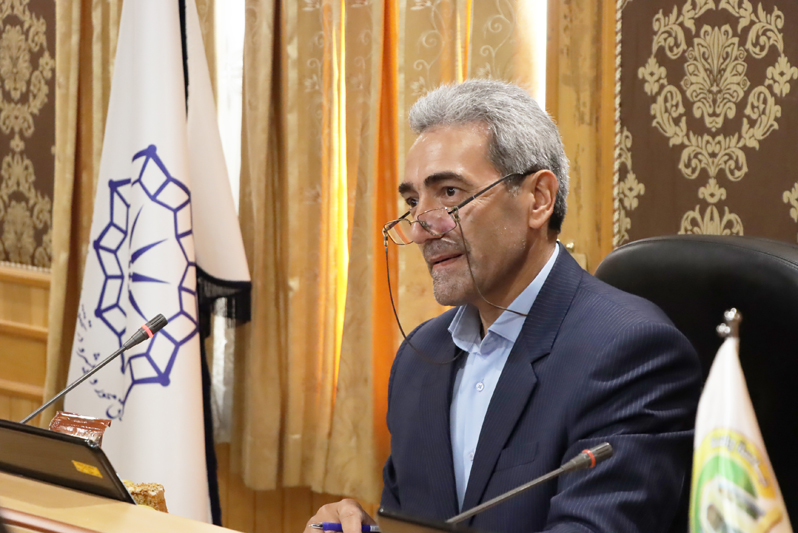
Dr. Daneshnia, addressing the common challenges faced by the two countries, such as dependence on hydrocarbon revenues and economic instability caused by foreign interventions, remarked: “The path to overcoming these challenges lies in developing a knowledge-based economy and increasing reliance on intellectual capital. Universities, in this regard, are the most important and effective institutions for steering societies toward sustainable development.”
He further emphasized that scientific and technological collaboration between universities in Iran and Iraq could pave the way for a vibrant, complementary economy between the two countries. “We believe in mutual dependence, not one-sided dependence,” he added.
In the following session, Dr. Ahmed, Dean of the Faculty of Management and Economics at the University of Wasit, expressed gratitude for the warm hospitality of Razi University and described the historical and deep-rooted relations between Iran and Iraq as a great opportunity. He stressed that the presence of academic delegations from both universities together was an invaluable chance to expand cooperation and utilize mutual potentials. He also highlighted the structure and educational activities of the Faculty of Management and Economics at the University of Wasit and expressed interest in formalizing cooperation with Razi University in educational, research, and advisory fields. He also expressed the readiness of his faculty to utilize Razi University’s faculty members in thesis supervision, course evaluation, and conducting specialized exams.
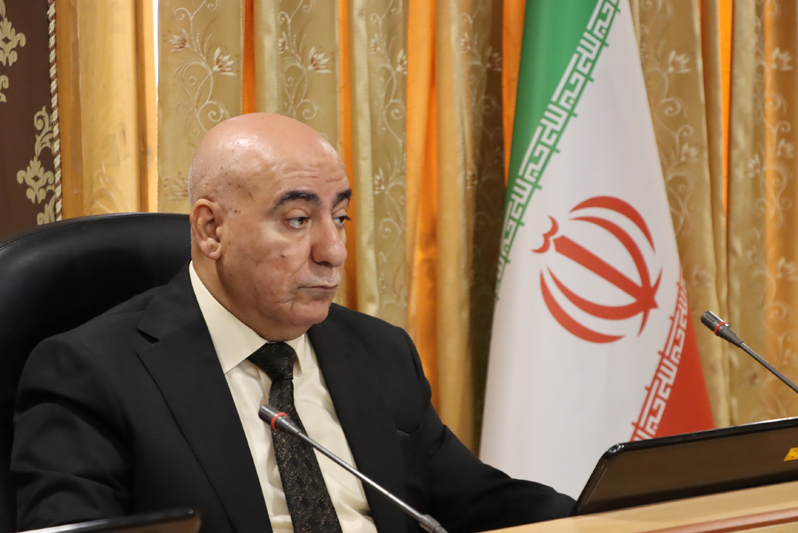
Dr. Azad Khanzadi, Vice Dean for Educational Affairs and Graduate Studies at the Faculty of Social Sciences, Economics, and Accounting at Razi University, presented a report on the educational structure and research capabilities of his faculty, emphasizing its scientific and educational strengths.
Dr. Hossein Shanaweh, Vice Dean of the Faculty of Management and Economics at the University of Wasit, also introduced his faculty's educational and research structure, viewing the collaboration with Razi University as an excellent opportunity to strengthen academic ties between the two countries.
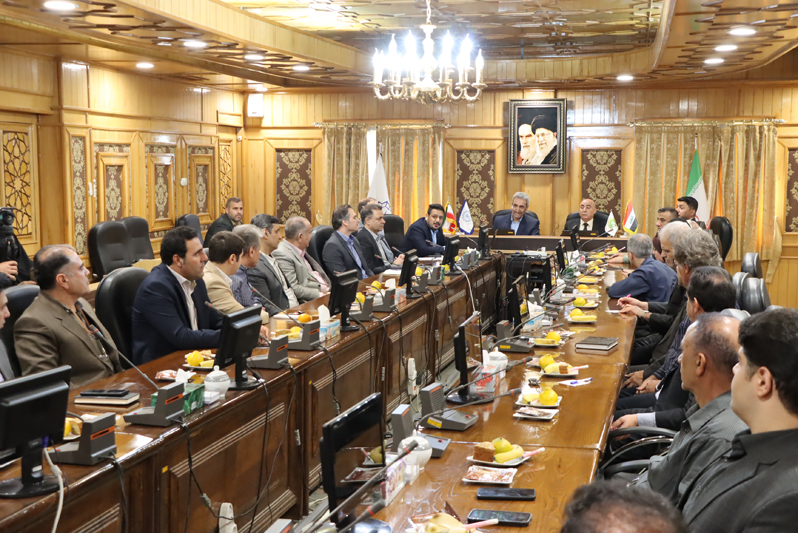
Dr. Sohrab Delangizian, a faculty member in the Economics Department at Razi University, stressed the importance of establishing innovation hubs and expanding technological activities, advocating for a stronger focus on commercializing innovative ideas.
Dr. Saman Mohammadi, a faculty member in the Accounting Department at Razi University, proposed the development of multilingual accounting software as a joint project between the two universities.
Dr. Farhad Shahveysi, another faculty member in the Accounting Department, highlighted the prominent position of accounting at Razi University and suggested that the University of Wasit adopt educational syllabi and curricula from Iranian accounting programs as a model.
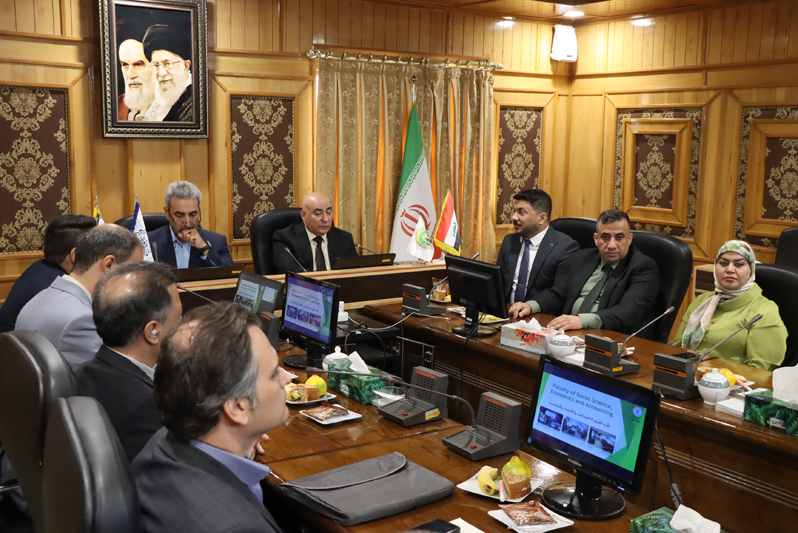
At the conclusion of the meeting, a formal MoU was signed between the two faculties to implement joint academic projects, faculty and student exchanges, and mutual educational programs. The key areas of cooperation include:
- Exchange of faculty members and conducting reciprocal educational programs;
- Offering joint courses and exchanging educational experiences; utilizing Razi University faculty for thesis evaluations and quality assurance of courses and exams;
- Hosting young faculty members from the University of Wasit for research opportunities;
- Joint supervision and consultation for graduate theses;
- Conducting specialized workshops in needed fields;
- Designing and implementing skill-building courses for economic and business professionals in border regions;
- Establishing seasonal schools with student and faculty participation from both universities;
- Collaborating on Razi University’s academic journals and publishing joint articles;
- Organizing a joint regional conference on the challenges and prospects of Iran-Iraq economic cooperation for 2030;
- Establishing a desk for studying the political economy of Iran and Iraq;
- Executing joint research projects on challenges in developing economic relations between the two countries.
As part of the MoU, representatives from both sides will be appointed to oversee and follow up on the implementation of the agreement.
After the signing ceremony, the Iraqi delegation visited various departments of Razi University’s Faculty of Social Sciences, Economics, and Accounting. They also engaged with Iraqi students studying at the university to learn more about its academic environment and activities.
It is worth noting that this event follows previous collaborations between the two universities, and the new MoU, emphasizing 11 strategic areas, marks a significant milestone in institutionalizing scientific interactions, enhancing educational, research, and technological cooperation, and strengthening the academic and scientific diplomacy between the two neighboring nations of Iran and Iraq.
شناسه : 34022332