
Zakariyya al-Razi - Razi University
Muhammad bin Zakariyya al-Razi
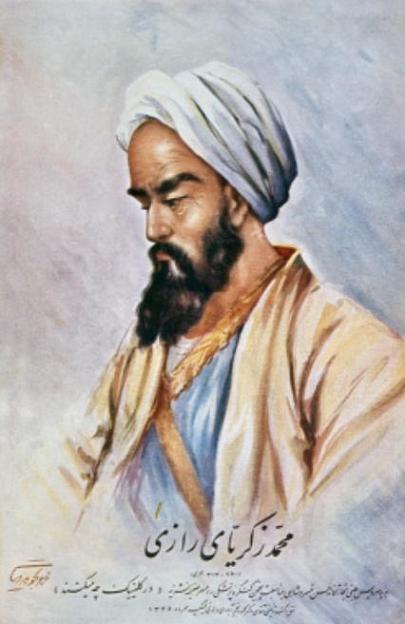
Muhammad ibn Zakariyyā al-Rāzī
Muhammad ibn Zakariyyā al-Rāzī (251–313 AH / 865–925 CE), widely known in the West as Rhazes or Rasis, was one of the most distinguished Iranian scholars and physicians of the third/ninth century. His influence on the development of medicine and the natural sciences was so significant that the historian of science George Sarton referred to the second half of the third century AH as the “Age of al-Rāzī” in his Introduction to the History of Science.
Al-Rāzī is regarded as one of the foremost clinical physicians of the Islamic Golden Age and the medieval world. He was also an accomplished alchemist and chemist, physicist, philosopher, and scholar of the natural sciences. He is reported to have studied mathematics, philosophy, astronomy, and literature in Rayy. According to traditional biographical accounts, he initially developed an interest in alchemy and later turned to medicine, reportedly following an ailment affecting his eyes. He subsequently pursued medical studies and became a prominent physician and teacher.
His growing reputation brought him into contact with influential political figures. During his association with Abū Ṣāliḥ Manṣūr, the governor of Rayy, al-Rāzī was appointed to oversee the newly established hospital in the city. He later assumed a similar position at the hospital in Baghdad. His reputation as a physician eventually extended to the courts of several rulers and governors.
Al-Rāzī was also known for his humane approach to medical practice. Historical accounts describe him as courteous, compassionate, and attentive to the needs of his patients. He is said to have treated the poor and vulnerable with particular consideration and, in some cases, waived medical fees for those unable to afford treatment.
The number of works attributed to al-Rāzī varies considerably among historical sources, with estimates ranging from approximately 198 to 237 titles. Many of his writings have not survived, including works reportedly devoted to natural sciences, mathematics, astronomy, and optics. His surviving writings, however, demonstrate the breadth of his intellectual interests and his commitment to observation, clinical experience, and systematic inquiry.
Al-Rāzī's contribution to medicine extended beyond the theoretical study of disease. He placed considerable emphasis on clinical observation and the documentation of patients' conditions and recovery. His most celebrated medical work is Kitāb al-Ḥāwī fī al-Ṭibb (The Comprehensive Book on Medicine), a vast medical compendium that brought together knowledge from earlier traditions alongside al-Rāzī's own observations and clinical experience. Other important medical works include Kitāb al-Ṭibb al-Mulūkī (The Royal Book of Medicine) and Kitāb al-Manṣūrī fī al-Ṭibb (The Book of Medicine Dedicated to al-Manṣūr).
Among his specialized medical treatises, Kitāb al-Judarī wa al-Ḥaṣbah (The Book on Smallpox and Measles) is particularly renowned. The work provides a detailed clinical account of the distinction between smallpox and measles and became an important reference in the history of infectious-disease medicine. Another of his medical treatises concerns diseases of the bladder and kidneys, including urinary stones, and was subsequently translated and published in European languages.
Al-Rāzī's intellectual interests extended well beyond medicine. He wrote extensively on philosophy, theology, ethics, spirituality, and religious and philosophical questions. His works reflect an independent intellectual approach and a sustained engagement with major philosophical and theological debates of his time.
According to traditional biographical accounts, al-Rāzī suffered from a progressive eye disorder later in life, which was sometimes attributed to his extensive work in alchemy and eventually resulted in blindness. The precise circumstances surrounding his loss of vision remain uncertain. He died in Rayy in 313 AH (925 CE), leaving a lasting intellectual legacy in medicine, science, and philosophy.
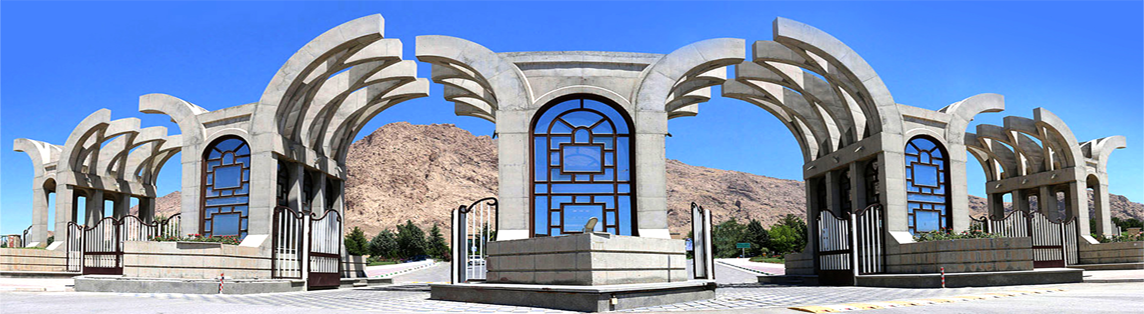
Razi University takes its name from Muhammad ibn Zakariyyā al-Rāzī, whose legacy represents a longstanding tradition of scientific inquiry, intellectual independence, clinical observation, and the pursuit of knowledge.